

Chief Growth & Marketing Officer
Naman is a seasoned GTM leader with deep expertise in technology sales, marketing, & strategic planning.


Find your cloud savings in under 5 minutes

Get a $100 reward on signup

10 Jun, 2026 | 4 Min read

Here's a thought that's been stuck in my head lately: If AI can now build the same cost dashboards and recommendations your Cloud FinOps tool gives you, why are you still paying for the tool? Give GPT-5 your AWS bill, and it'll flag idle instances, suggest Reserved Instances, identify commitment gaps, explain cost spikes, and generate a board-ready report in seconds. The intelligence layer of Cloud FinOps is getting commoditized fast. And that's a bigger deal than most people realize. For years, FinOps vendors differentiated themselves on cloud cost visibility.
But when Generative AI for cloud can share all of those on demand, software alone becomes a pretty weak moat. The valuable part was never finding the savings. The valuable part was capturing them. Because the hard questions were never technical.
Those aren't software questions. They're judgment calls. And judgment is still stubbornly human.
Most FinOps products today operate like copilots. They sit beside your team and tell you where you could save money.
Great. Now what?
Which means most customers aren't paying for savings. They're paying for recommendations. And there's a big difference.
The model I think wins over the next decade is simple. Stop charging for recommendations. Start charging for results. Customers shouldn't pay for dashboards. They shouldn't pay for alerts. They shouldn't pay for software access. They should pay for the actual dollars removed from the cloud bill. If AI for FinOps gets smarter and finds savings faster, everyone wins. If the provider can't deliver savings, they shouldn't get paid. It's a much cleaner alignment of incentives. And it's exactly the shift Sequoia described recently in their Services are the New Software piece. As software becomes cheaper to create and intelligence becomes abundant, value shifts toward execution, ownership, and outcomes. The winners won't be the companies with the prettiest dashboards. They'll be the companies willing to stand behind the result.
This is one of the reasons I've always believed CloudKeeper was built on the right side of this trend. From day one, we've operated with a simple philosophy: customers shouldn't pay for software. They should pay for outcomes. The core of CloudKeeper has never been a dashboard. It's been unlimited access to FinOps experts, cloud architects, and technical advisors who work alongside customer teams to identify, prioritize, and execute savings opportunities. Over time, we've built more technology to support that mission.
But the software isn't the product. The software makes the experts faster. The experts make the outcomes happen. And that's why our incentives are aligned with customers from the start. We only win when customers save real money. You don't pay for software. You don't pay out of pocket. You pay a percentage of the savings delivered. Or we guarantee net savings on your cloud bill. Whichever model works best. Because at the end of the day, nobody wakes up wanting another dashboard. They want a lower bill.
Ironically, the future of FinOps looks a lot like the past. Not because software disappears. Because software becomes invisible. The best providers will combine AI, automation, and human expertise into a single service. Customers won't care how the savings happened. They'll care that the savings happened. Think about accounting. Most companies don't buy QuickBooks because they love accounting software. They buy an outcome: accurate books. The software is just part of the delivery mechanism. Cloud cost optimization is heading in the same direction.
The FinOps ecosystem is about to split into two camps. The first will continue selling software licenses, dashboards, and recommendations. The second will sell accountability. One charges for access. The other charges for outcomes. One measures activity. The other measures savings. My bet is that customers increasingly choose the latter. Because in a world where AI can generate infinite recommendations, recommendations become cheap. Execution doesn't. Judgment doesn't. Accountability doesn't. And those are the things that actually move your cloud bill.
In 2026, paying for another FinOps dashboard feels a bit like paying for QuickBooks and still hiring someone else to close the books. The tool is no longer the value. The outcome is. You shouldn't care about the tool. You should care about the real dollars saved.
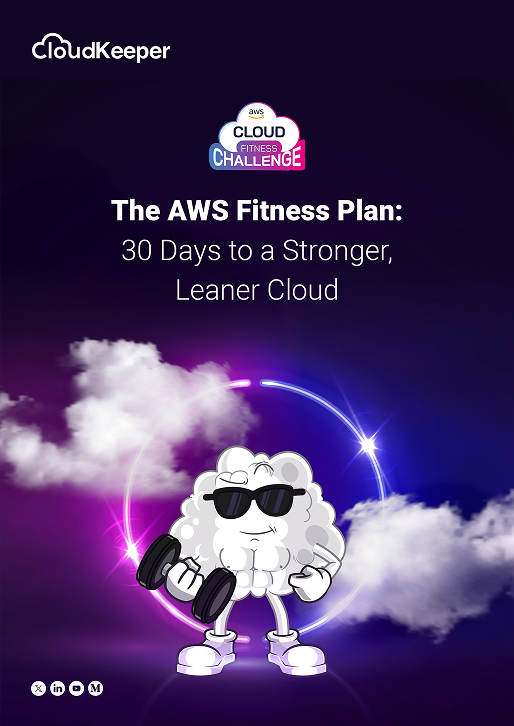
99% of companies saved up to 15% monthly with this plan & achieved peak performance.