


13
13The cloud is a powerful engine for growth - but without the right cost management strategy & tools, that engine can quickly become one of the largest line items in your budget.
This blog walks you through the top 10 best Cloud Cost Management tools featured in the G2 Leader’s Quadrant for the Winter 2026 Grid® Report. The blog also shares key strengths and limitations of each platform to help you choose the right partner for your FinOps journey.
How G2 Evaluates Cloud Cost Management Tools?
To be included in the G2 Cloud Cost Management category, a product must:
- Monitor cloud infrastructure usage
- Track spending as it relates to resource usage
- Highlight opportunities to save by reducing or optimizing resources.
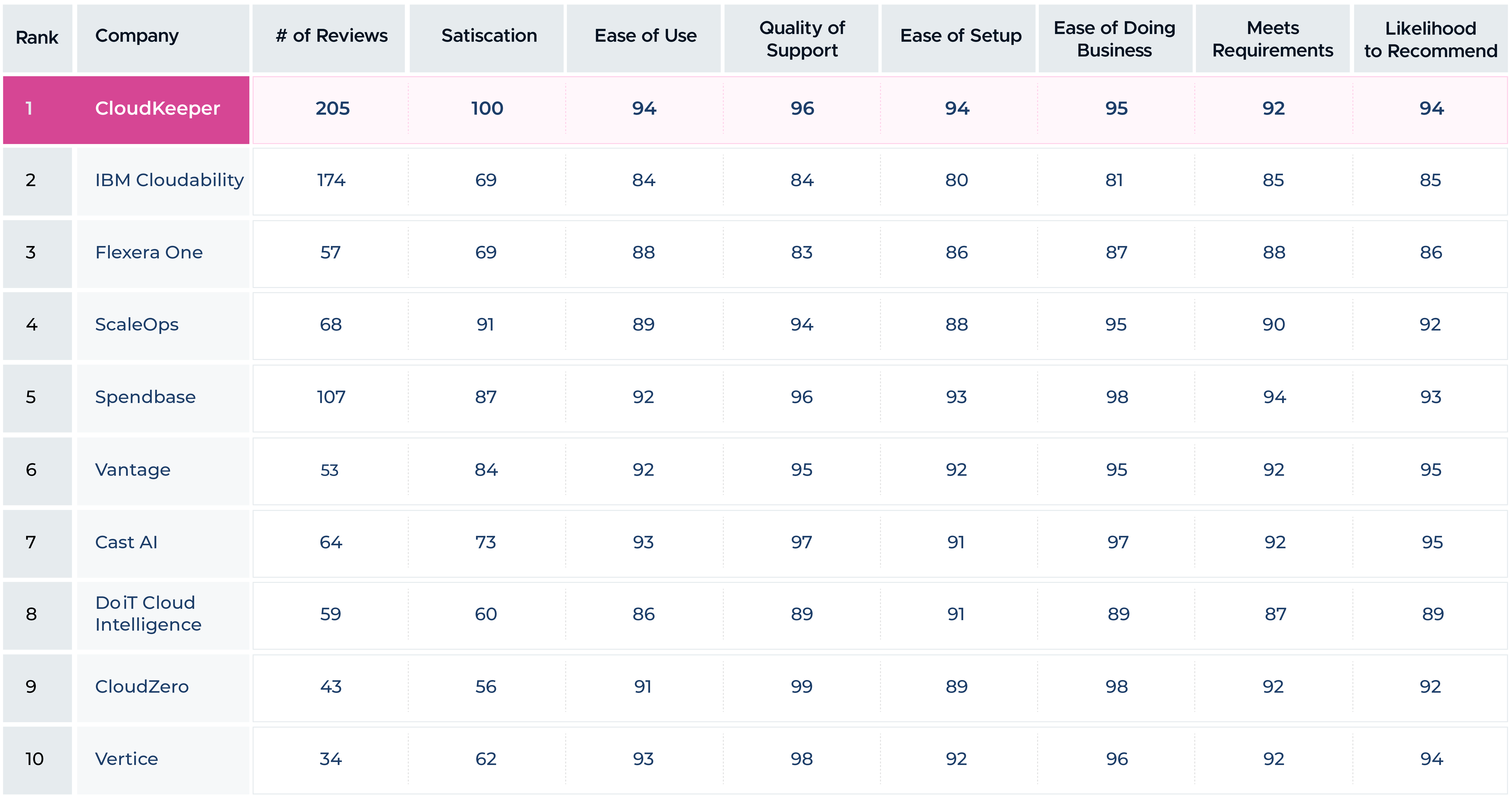
The Cloud Cost Management tools are then scored based on a combination of user satisfaction and market presence, as reflected in genuine, verified reviews. And those with high satisfaction plus strong presence are placed in the Leader quadrant.
Why does cloud cost management matter now?
According to research, about 84% of organizations struggle to manage cloud spend effectively. As cloud usage expands across microservices, Kubernetes, and multi‑cloud setups, ownership gets blurred, and spikes become harder to trace.
Strong cloud cost management tools change that by:
- Centralizing visibility across accounts, projects, and business units
- Enabling accurate allocation and showback/chargeback so teams own their spend
- Providing forecasting, anomaly detection, and automation, so optimization becomes part of daily operations instead of a once‑a‑quarter cleanup.
When this happens, cloud cost management stops being a reactive finance task and becomes a shared operating rhythm for engineering, FinOps, and finance.
10 Best Cloud Cost Management Tools in 2026 (According to G2)
#1. CloudKeeper – End‑to‑End Cloud Cost Optimization Partner
G2 Ratings: 4.7/5 (251+ Reviews)
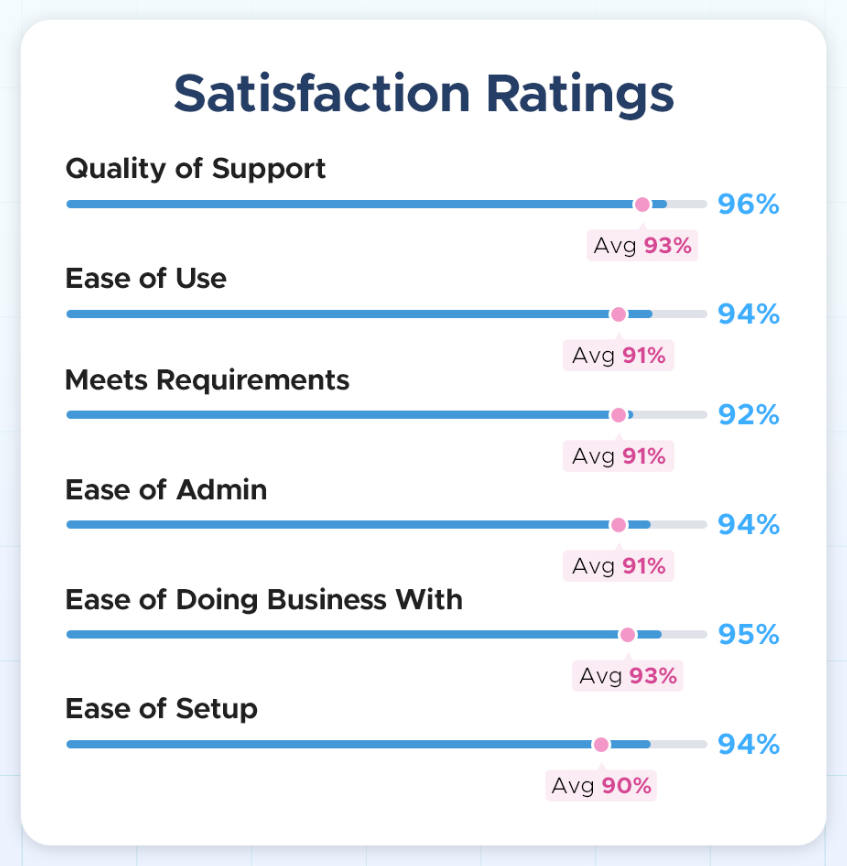
CloudKeeper tops the list as the #1 Cloud Cost Management tool with a perfect 100% satisfaction score from its users. CloudKeeper is the only partner in the category to achieve a 100% satisfaction score - a rare achievement that reflects both performance and people-centric design.
Why is CloudKeeper indeed the best choice?
- CloudKeeper stands apart as the only truly comprehensive cloud cost optimization platform, covering every aspect of cloud management - from rate and usage optimization to deep visibility, governance, and expert-led support.
- It delivers guaranteed cloud cost savings from day one & continuous optimization through unlimited expert cloud support and AI-led platforms.
- The FinOps Platform Suite brings visibility, optimization, governance, and automation together in one integrated solution - eliminating the need for multiple cloud management tools and simplifying cloud management at scale.
- With advanced GenAI and Agentic AI capabilities for FinOps, CloudKeeper goes beyond traditional cost cloud cost management tools to deliver smarter, faster, and more impactful optimization at scale.
What users love:
- Unified Cloud Cost Visibility: A centralized view of cloud cost visibility that brings clarity to even complex multi-account environments.
- Intuitive & Insightful Dashboards: User-friendly & intuitive dashboards that provide detailed visibility into cost trends and savings opportunities.
- Expert-Led Optimization Insights: Reviewers value the actionable cost optimization insights shared by the CloudKeeper team, helping them make smarter spending decisions. Unlike others, CloudKeeper doesn’t just tell you where money is leaking - it helps you fix it.
- Effortless Cloud Cost Management: Users appreciate the ease of managing cloud expenses, enabled by automation and intelligent savings recommendations.
- Proactive Customer Support: The customer success team is genuinely loved by users for its excellent & proactive cloud support, quick issue resolution, and dependable assistance.
- Consistent, Proven Cost Savings: Customers report significant cost savings, achieved through effective optimization and streamlined cloud management.
- Designed for Cross-Functional Collaboration: Its ease of use makes it ideal for both engineers and finance teams.
Best for -
- High-growth organizations scaling rapidly on the cloud and looking for predictable, continuous cost optimization.
- Teams that want to eliminate the headache of fragmented cloud management tools for different cloud needs. Also want to avoid the complexity, high costs, time consumption, and resource drain of managing multiple platforms - by moving to a single, unified cloud management solution.
We address every piece of feedback we receive!
At CloudKeeper, customer feedback doesn’t stop at reviews - it directly influences our product roadmap. Every insight, whether shared on G2 or through direct conversations, has been met with swift action.
- Challenge: Limited SSO Capabilities
Resolved: CloudKeeper introduced Prism, enabling secure access across cloud, SaaS, and on-prem environments with support for multiple identity providers. - Challenge: Delayed Data & Limited Real-Time Visibility
Resolved: Platform performance was enhanced with faster data refresh cycles and improved real-time reporting. - Challenge: Limited Personalization Options
Resolved: CloudKeeper added advanced personalization features that allow teams to tailor views, reports, and experiences to their needs.
#2. IBM Cloudability
G2 Rating: 4.2/5 (190+ Reviews)
IBM Cloudability (formerly just Cloudability) is a long‑standing FinOps platform that focuses on financial governance for large, multi‑cloud enterprises. It empowers FinOps teams to manage and optimize multi-cloud, AI, and Kubernetes spend.
The satisfaction score is 69.
Key Strengths
- Robust multi-cloud cost reporting and forecasting tools, ideal for large organizations.
- Granular budgeting and allocation features that align finance teams with engineering.
- Strong presence in enterprise environments for deep analytics and integration capabilities.
Limitations (as per G2)
Reviewers mentioned issues with data reliability, lack of customization in the reporting feature, and difficulties with the initial setup process, as well as limitations in the rightsizing recommendations and the integration of the container agent with Kubecost.
#3. Flexera One
G2 Ratings: 4.3/5 (120+ Reviews)
Flexera One is a mature cloud cost and IT asset management platform that delivers visibility and optimization across hybrid and multi-cloud environments.
The G2 Satisfaction score is 69.
Key strengths:
- Unified dashboards that consolidate cost data across providers.
- Integrates cost insights with broader IT operations workflows.
- Well-suited for organizations combining cloud spend with wider software asset management.
Limitations (as per G2)
Users report that Flexera One has a complex setup process and a steep learning curve, especially for first-time users. Its extensive features require significant time and effort to configure, making onboarding and full adoption challenging.
#4. ScaleOps
G2 Ratings: 4.6/5 (90+ reviews)
ScaleOps is a cloud‑native optimization platform focused primarily on Kubernetes workloads, automating scaling and rightsizing decisions for clusters.
The G2 Satisfaction Score is 91.
Key Strengths:
- Intelligence-driven optimization that helps teams cut waste.
- Flexible reporting and budgeting features that appeal to both engineering and finance stakeholders.
- Users highlight fast time‑to‑value and meaningful savings with minimal manual tuning once policies are set.
Limitations (as per G2)
Users report that ScaleOps struggles with performance and scaling on large clusters, often leading to slow load times and maintenance issues. They also mention missing capabilities like observability and export options, a less intuitive UI, and a steeper learning curve due to complex onboarding and feature usability.
#5. Spendbase
G2 Rating: 4.7/5 (120+ reviews)
Spendbase is a unified SaaS and Cloud Spend Management, providing data-driven insights and solutions for spend analysis and management. Their platform streamlines procurement workflows, strengthens financial decision-making, and boosts overall spending efficiency.
The G2 Satisfaction Score is 87.
Key Strengths
- Users appreciate Spendbase’s intuitive interface and seamless integration with existing tools.
- Reviews frequently cite meaningful savings driven by vendor negotiations, credits, and license optimizations.
- Users value the clear, centralized view of SaaS expenses, making spend tracking and management more efficient.
Limitations (as per G2)
Users report that Spendbase lacks key features like a mobile app and advanced reporting, along with limited dashboard customization. Integration challenges, complex setup, and a steep learning curve also affect usability - especially for smaller teams, making onboarding time-consuming.
#6. Vantage
G2 Rating: 4.7/5 (65+ Reviews)
Vantage delivers unified cost tracking for engineering-led FinOps, with strong multi-cloud support.
The G2 Satisfaction Score is 84.
Key Strengths
- Strong multi-cloud and data platform integrations for unified cost visibility
- Advanced dashboards and granular cost allocation for deep spending insights
- User-friendly interface with powerful analytics for proactive cost monitoring
Limitations (as per G2)
Vantage focuses mainly on cost visibility and analysis. Some users report limited customization, inadequate reporting without extra tuning, and occasional integration challenges. The platform also has a learning curve for advanced features, and pricing can become expensive after the free tier.
#7. CAST AI
G2 Rating: 4.6/5 (160+ Reviews)
CAST AI focuses on automated optimization for Kubernetes clusters, including intelligent node selection, rightsizing, and autoscaling across clouds.
The G2 Satisfaction Score is 73.
Key Strengths
- Multi‑cloud cluster management and spot instance automation support hybrid and multi‑cloud Kubernetes strategies.
- Reliable 24/7 customer support with fast issue resolution.
- Easy-to-use platform that simplifies Kubernetes management.
- Strong cost optimization delivering significant cloud savings without performance loss.
Limitations (as per G2)
Some users report integration issues that affect cost accuracy and workload optimization. Pricing can be high for smaller clusters, with limited cost transparency, and the platform has a steep learning curve for Kubernetes beginners.
#8. DoiT Cloud Intelligence
G2 Rating: 4.4/5 (75+ Reviews)
DoiT Cloud Intelligence is an intent-aware FinOps platform that extends beyond cost optimization to enhance reliability, performance, and security. It focuses on insight-driven optimization and accountability across cloud resources.
The G2 Satisfaction Score is 60.
Key Strengths:
- Customers benefit from both a well‑rounded cloud cost management toolset and access to cloud experts.
- Highly responsive, proactive, and expert customer support
- Strong technical guidance and hands-on cloud management assistance
Limitations (as per G2)
Users express frustration over expensive escalation fees for support tickets, which negatively impact their overall experience. Some users find the billing process complicated, leading to confusion in account management.
Users also report that the system is complex, with a difficult learning curve that can take several months to master basic functionalities.
#9. CloudZero
G2 Rating: 4.6/5 (60+ Reviews)
CloudZero differentiates itself by focusing on unit economics - cost per customer, feature, or transaction - so engineering teams can make better product decisions.
The G2 Satisfaction Score is 56.
Key Strengths:
- Accurate and clear cost management with strong visibility into cloud expenses.
- Easy to use and implement, with fast, intuitive dashboards.
- Effective anomaly detection and supportive customer service.
Limitations (as per G2)
Some users find CloudZero expensive for smaller teams and note challenges with billing delays. The platform can have a steep learning curve, with complex cost formation rules and configuration processes that may be difficult for less experienced users.
It focuses more on insight and accountability, working best for teams that leverage unit economics to drive product and engineering decisions.
#10. Vertice
G2 Rating: 4.6/5 (160 Reviews)
Vertice is a procurement platform for managing SaaS and cloud spend, using workflows and negotiation support to deliver savings and streamline purchasing cycles.
The G2 Satisfaction Score is 62.
Key Strengths
- Easy-to-use platform that improves efficiency and speeds up negotiations.
- Strong expert-led vendor negotiations delivering significant cost savings.
- Highly responsive, knowledgeable support and SaaS spend management expertise.
Limitations (as per G2)
Some users report missing features such as vendor assessments and advanced reporting tools. Limited information for stakeholders, integration challenges, platform complexity, and budgeting or payment constraints can also affect the overall experience.
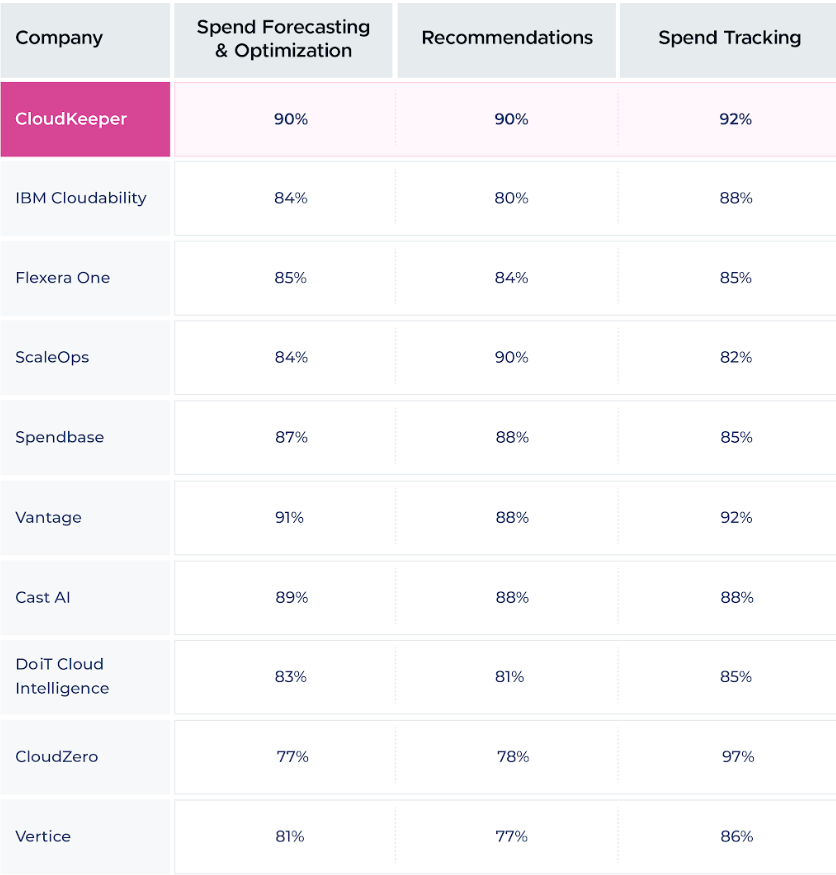
Satisfaction Score by Cost Optimization Features
How to Choose the Right Cloud Cost Management Partner
All 10 cloud cost management tools on G2’s Leader quadrant deliver real value; the “best” fit depends on your mix of clouds, maturity of FinOps practices, and how much automation or expert help you want.
But it’s loud & clear that CloudKeeper goes a step further. Choosing CloudKeeper is a wise choice if you’re looking for a true end-to-end cloud cost optimization partner that brings together a powerful platform, guaranteed savings, and deep FinOps expertise. CloudKeeper is trusted by over 400+ customers worldwide - from fast-growing startups to global enterprises.
Here is a list of a few key questions you must ask before choosing a Cloud Cost Management Partner
- Does this platform only show my cloud costs - or actively help me reduce them?
- Will I get expert guidance along with automation, or just dashboards and reports?
- How quickly can I start seeing measurable cost savings?
- Can this solution scale with my business as my cloud environment grows?
- Does it support my current and future cloud providers and services?
- How well does it integrate with my existing workflow & tech stack?
- Will my teams actually use it? Is the interface intuitive and easy to adopt?
- Does it offer role-based views for the different teams and SSO for seamless adoption?
- Can I customize reports and views based on my business needs?
- How transparent is the pricing and ROI model?
- What level of customer support and ongoing optimization will I receive?
Final Thoughts
Cloud cost management isn’t just about trimming bills - it’s about smart decision-making, accountability, and aligning cloud spend with real business value. The cloud cost management tools help any team, from startup to enterprise, rethink how they manage cloud costs day-to-day.
Ready to save time, money, and effort? Take the next step by booking a free demo with CloudKeeper or exploring real user reviews on G2 to make a confident decision.