

DevOps Engineer
Vishu is a coding enthusiast with a passion for building efficient and reliable systems.


When building DevOps-driven SaaS platforms on Amazon CloudFront, one misconception appears repeatedly:
“We added multiple alternate domain names and included the Host header in the cache key. That means we now have a multi-tenant architecture.”
Technically, that configuration creates cache separation per hostname.
Architecturally, it is not multi-tenancy.
And understanding that difference early can prevent costly redesigns later.
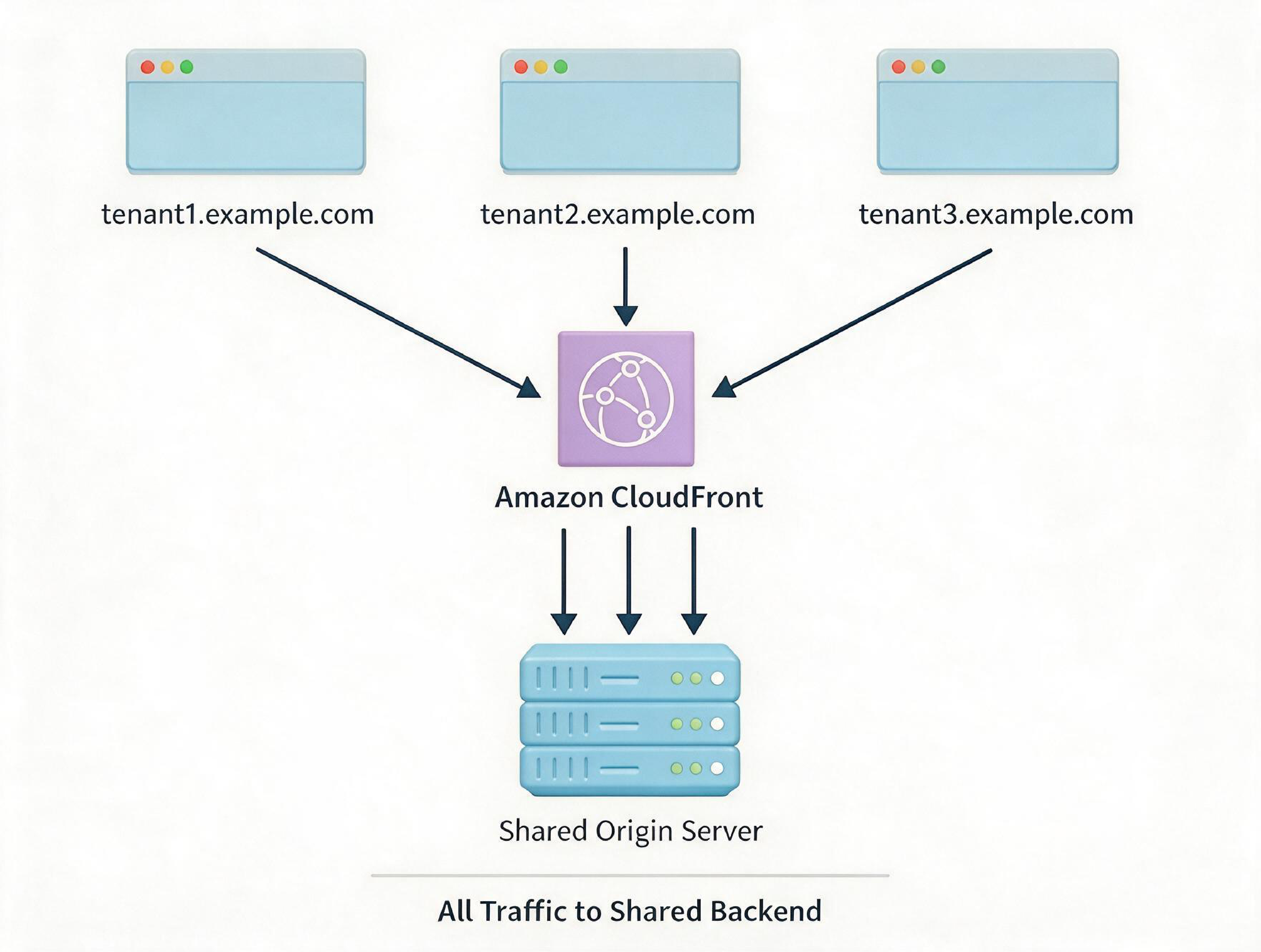
A typical setup looks like this:
The result:
This works.
But it is not multi-tenant architecture.
It is hostname-based cache separation.
 What Alternate Domain Names Actually Provide
Alternate domain names (CNAMEs) in CloudFront allow:
They do not:
They are a domain mapping mechanism not a tenant isolation mechanism.
This distinction is critical.
Multi-tenancy is not about domains.
It is about how your infrastructure handles different tenants.
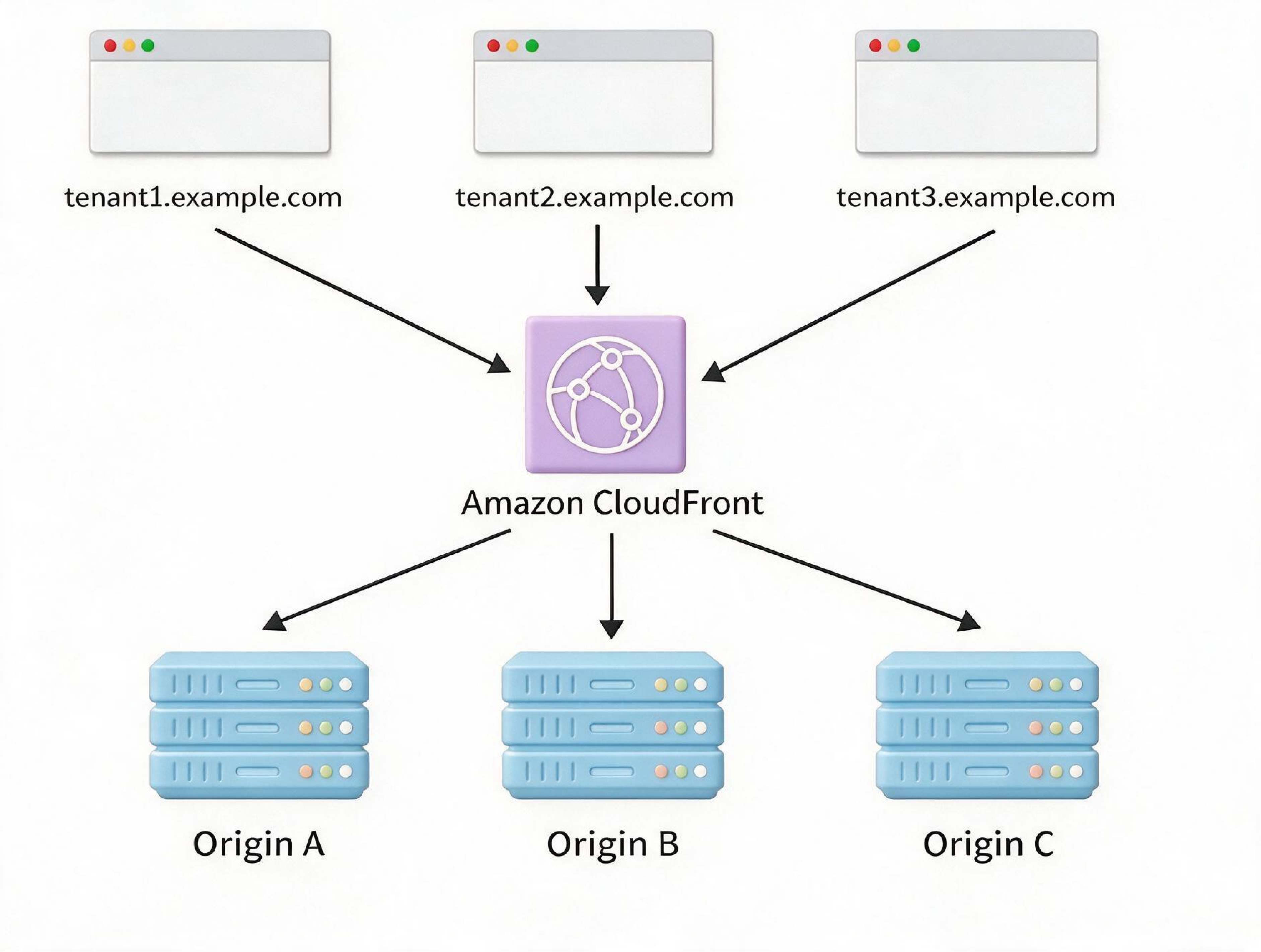
In a true multi-tenant CloudFront architecture:
Example conceptually:
tenant1.example.com → Origin A
tenant2.example.com → Origin B
tenant3.example.com → Origin C
That is infrastructure-level tenant awareness.
Not just cache-level variation.
 The Core Difference: Cache Isolation vs Infrastructure Isolation
This is where most confusion happens.
Including Host in the cache key ensures:
That prevents response mixing.
But:
Cache isolation protects content.
Infrastructure isolation protects architecture.
They solve different problems.
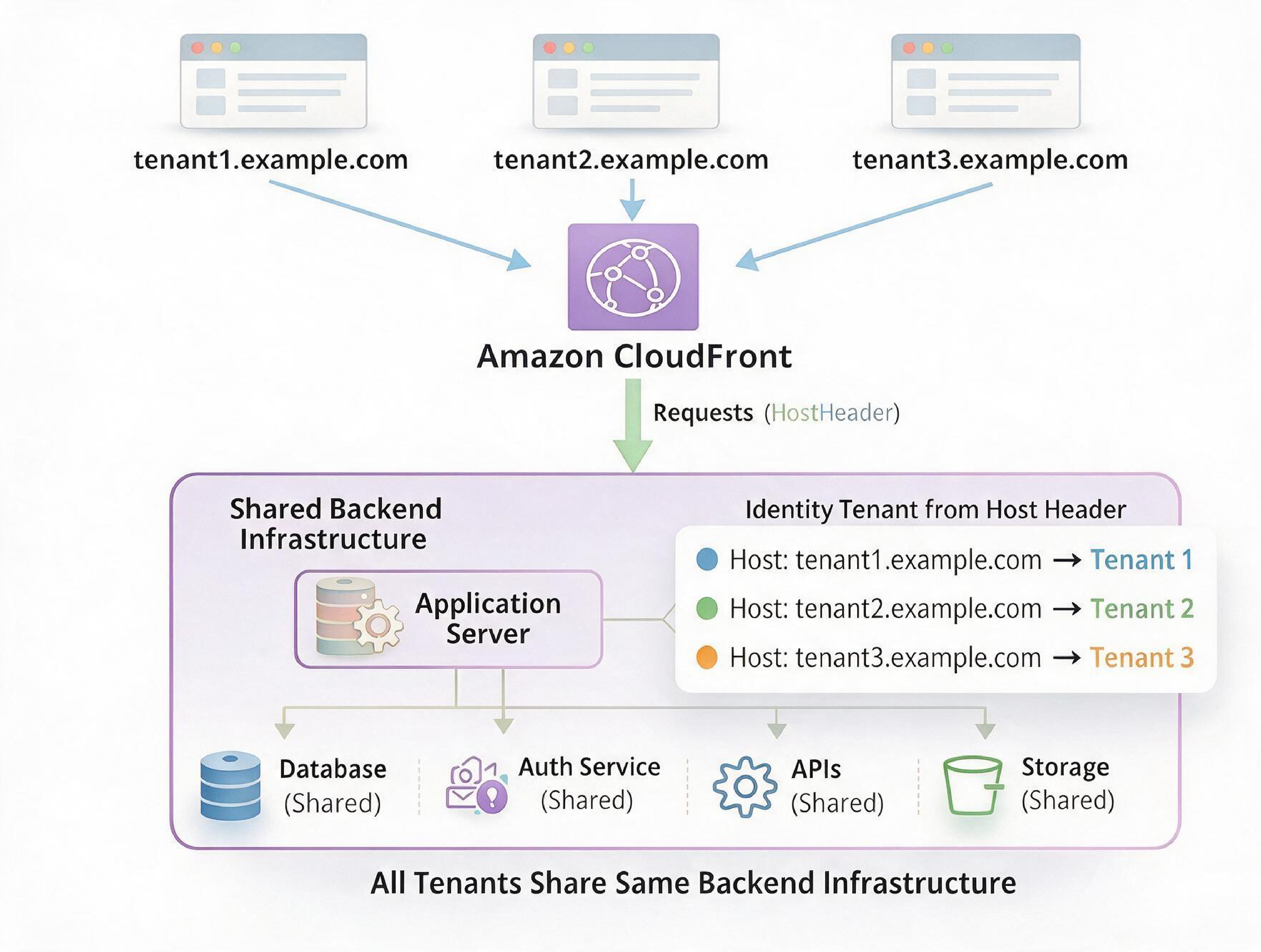
In early stages:
In this scenario:
Alternate domains + Host-based cache separation is perfectly valid.
It is cost-efficient.
It is simple.
It is manageable.
But it remains application-level multi-tenancy.
 Growing SaaS Platform
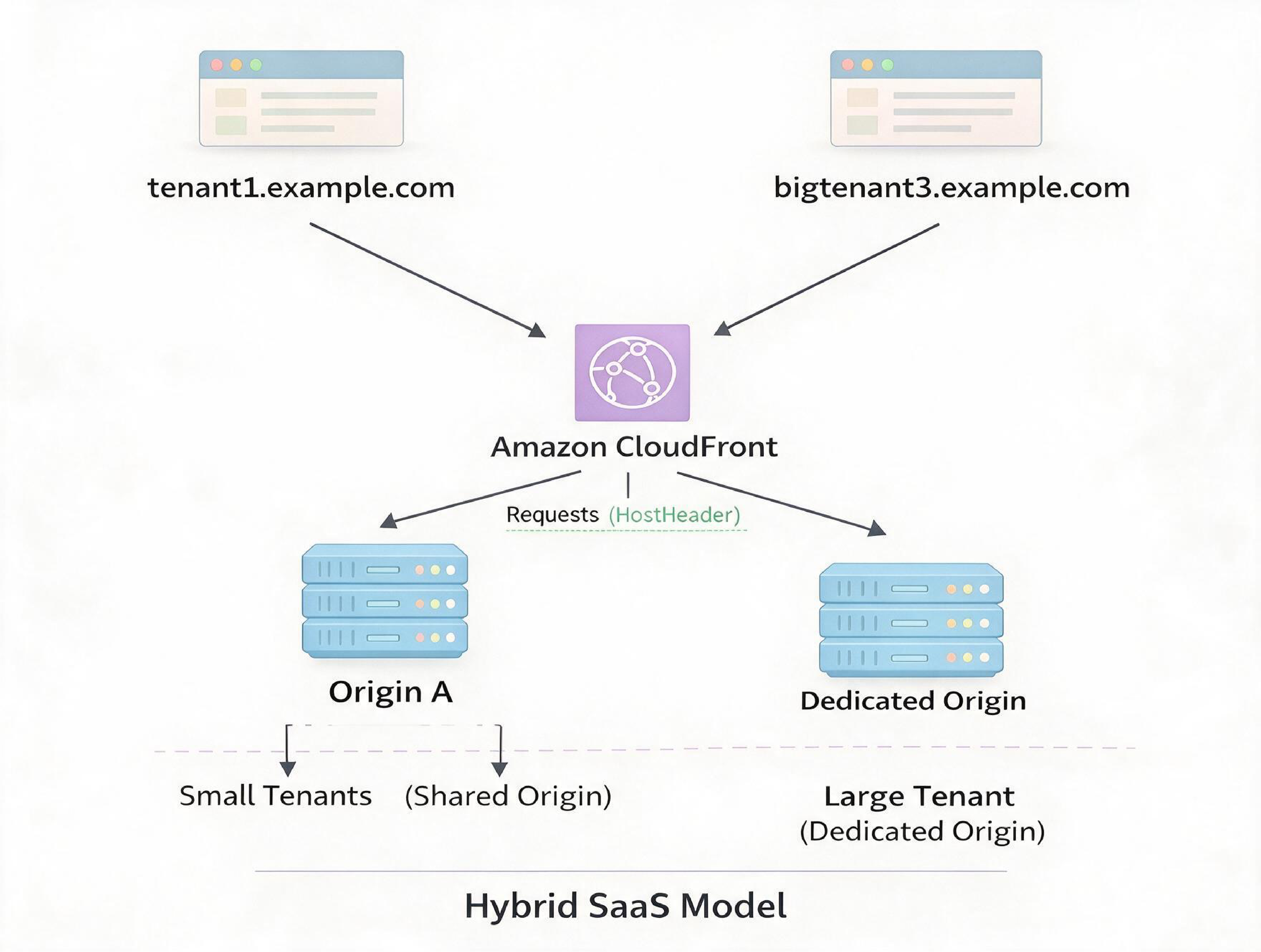
As your SaaS platform grows:
Now the architecture must evolve.
You may need:
At this point, alternate domain names alone are insufficient.
 Pricing Implications
Architectural decisions affect cost.
Costs are based on:
Adding more alternate domains does not increase cost directly.
This model is operationally efficient and cost-effective for shared infrastructure.
If you introduce:
Then costs increase in:
CloudFront pricing remains usage-based.
Backend pricing scales with tenant complexity.
This provides the strongest isolation.
But also:
This is typically justified only for strict compliance or enterprise isolation requirements.
These mistakes often lead to expensive cloud migration efforts and architectural refactors later.
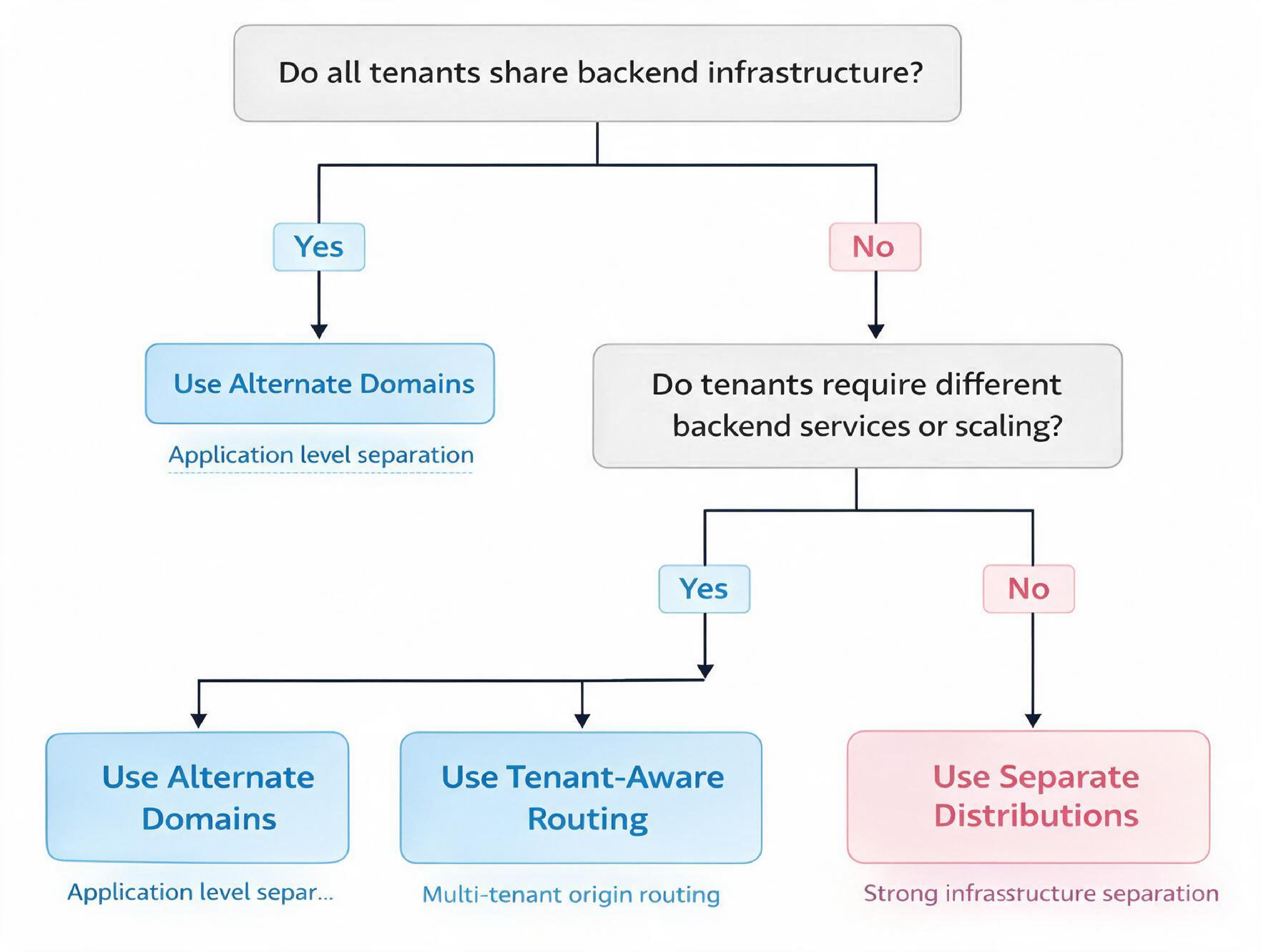
Use alternate domains when:
Use tenant-aware routing when:
Use separate distributions when:
 Final Perspective
Adding alternate domain names is not multi-tenancy.
It is domain mapping with optional cache separation.
Multi-tenancy begins when your CDN layer becomes tenant-aware when routing decisions and infrastructure design reflect tenant boundaries.
Amazon CloudFront supports both simple and advanced models.
The key is understanding which one you are actually implementing.
Because as your SaaS platform scales, that difference becomes architectural not semantic.
99% of companies saved up to 15% monthly with this plan & achieved peak performance.